Results for
- Home>
- Adolescent Program
Adolescent Program
The Adolescent Program at Craig – formerly Teen Rehabilitation at Craig (TRAC) – is an interdisciplinary treatment approach grounded in the unique experiences of adolescence. This program fosters an environment where patients with spinal cord injury (SCI) and brain injury (BI) who are 15-21 years old and their families and friends can connect, learn and empower one another throughout rehabilitation with peer support and age-specific education and programming.
Core Values
Adopted from Woodill et al, Being, belonging and becoming: An approach to the quality of life of persons with developmental disabilities. In: Goode, D, ed. Quality of Life for Persons with Disabilities: International Issues and Perspectives. Boston: Brookline Press, 1994.
Being
We empower adolescents to rediscover themselves in the context of their neurologic injury.
Belonging
We support adolescents in building a sense of connection, helping them find belonging in their relationships and communities.
Becoming
We guide adolescents in developing and working toward personal goals, embracing and adapting to change, and finding purpose in the things that matter most – in school, work, recreation and beyond.
Adolescent Program Mission
The success of the Adolescent Program lies in each patient’s relationship with an expert interdisciplinary care team paired with structured opportunities to engage with peers experiencing similar life events. Craig offers an individualized treatment approach to rehabilitation based on patient and family goals, team recommendations, and the developmental and social needs of the adolescent patient.
Adolescent Program Features
Patients in the Adolescent Program can join SCI- and BI-specific peer groups that meet regularly over the course of the rehabilitation journey to build relationships, explore age-appropriate topics and issues, and have fun together.
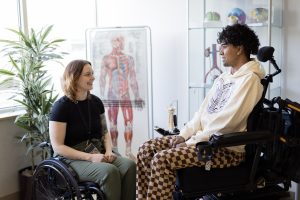
Through this initiative, adolescents with SCI and BI thrive alongside their best friends. This program equips their friends with comprehensive training and resources to foster independence, build community, and ensure a confident, supported transition home.
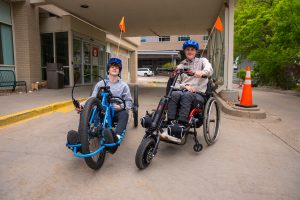
Our School Program helps teen patients stay engaged in their studies at a level that fits their rehabilitation needs, while keeping them connected to their schools and peers. Our licensed on-site teachers work closely with each student, their family and their Craig care team, including assistive-technology specialists and school personnel. As students return home and back to school, our teachers continue providing expert support throughout their transition. Craig is one of the few rehabilitation centers in the country with on-site teachers.
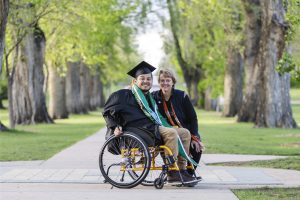
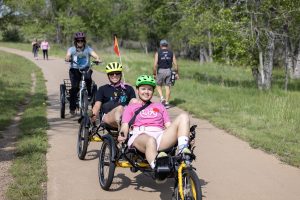
In addition to individual Recreational Therapy sessions, the Adolescent Program at Craig offers diagnosis-specific outings, activities and groups. Adolescents have the opportunity to practice newly learned skills and reconnect with their passions and communities. Friends, siblings and significant others are encouraged to join!
Adolescents explore topics such as supporting friendships, navigating dating and relationships, addressing mental health, understanding the effects of drugs and alcohol, planning accessible travel, transitioning back to school/work, and developing psychosocial skills.
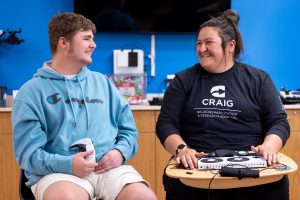
Our family support team includes psychologists, clinical care managers and other specialists dedicated to supporting families throughout the rehabilitation process. Families have access to SCI- and BI-specific parent and family groups that provide education, connection and a sense of community. These resources help families of adolescents in our program connect with others who are navigating similar experiences. Families also benefit from diagnosis-specific education and support from Peer Mentors, including former patients and their families. These mentors offer insight, encouragement and hope by sharing real-life perspectives on living life beyond the injury.
Related Links
Admissions
Craig Foundation
Alumni Educational Scholarship
Insurance Accepted
More Stories
April 27, 2026
December 18, 2025
August 11, 2025