May 9, 2023
Planting the Seeds for Recovery
When Paul Lindo first arrived at Craig Hospital in December 2021 after sustaining a C4-C6 spinal cord injury, he had one thing on his mind: walking again.
“I broke my neck surfing the North Shore of Oahu on Thanksgiving Day,” he recalls. “The waves in Hawaii at that time of year are huge, and the impact was like falling on concrete. I spent three weeks at Queen’s Hospital in Honolulu before flying to Colorado. At that point, I had very little movement and was a quadriplegic.”
Finding Meaning and Purpose
A lifelong surfer, Paul was solely focused on getting out of his chair and learning to walk and surf once again. So when the recreation therapy team at Craig suggested horticultural therapy, the 68-year-old was hesitant.
“Physical therapy was my main focus—and I was reluctant to spend time on anything else,” he says. “I thought it was just a waste of time to do other things.”
But when Paul’s therapists continued to urge him to give horticultural therapy a try, he gave in. “I reconsidered because horticulture is in my genes. Not only are many of my family members in the field but living in Hawaii means you’re constantly surrounded by plants and growth,” he explains. “And when I saw Craig’s impressive ‘green room,’ my interest in planting was rekindled.”
Paul began planting, watering and weeding once a week. Soon after, he began asking for more time in the garden. “I was actually surprised by how much I enjoyed digging in the soil, moving my hands and fingers,” he says. “I also found meaning and purpose in working hard to bring dying plants back to life.”
He adds, “I quickly realized how great it was for calming all of the noise in my head and improving my strength and balance as I planted and watered. There’s no question that horticultural therapy added to my recovery and brought me joy. It reminded me of how healing gardening can be.”
Therapeutic Effects
It’s this healing that makes horticultural therapy so beneficial.
Defined as the use of plants and plant-based activities to promote health and well-being, horticultural therapy has been recognized for its therapeutic effects for centuries.
During the Middle Ages, monastery hospitals cultivated gardens to brighten the moods of patients. And in 1798, Dr. Benjamin Rush, considered the “Father of American Psychiatry,” wrote a book highlighting the “curative effect of digging in soil.” Additionally, wounded servicemen returning home from World War I and II participated in horticultural therapy to improve the functioning of injured limbs and increase mental activity.
In fact, a large body of research has proven the numerous benefits of this therapy, such as improving mood, social skills, memory and cognition; promoting emotional growth; reducing stress; initiating feelings of peace and joy; and helping individuals find a sense of purpose within their lives.
 “Horticultural therapy is an integrative therapy that connects people with living plants. It complements a patient’s recovery goals in a natural environment,” explains Erin Lovely, a horticultural therapist at Craig. “We use plants and plant-related activities to improve the physical, cognitive and psychosocial well-being of our patients.”
Craig’s donor-sponsored horticultural therapy program focuses on four outcome areas. These include:
- Plant care task completion: Concentrates on physical and cognitive functioning, communication, attention and focus, memory, mobility, and independence
- Wellness: Highlights mindfulness, social opportunities, sensory integration, self-confidence, and a sense of purpose
- Return to gardening: Includes education related to accessibility and adaptive equipment strategies focused on safety and balance
- Horticultural education: Focuses on a sense of purpose involved in caring for or being around living plants. To support this, Craig provides an onsite, 320-square-foot “green room” with space and lighting for growing and maintaining assorted indoor tropical plants. The hospital also has several accessible, therapeutic outdoor garden spaces, and a range of modified garden tools and equipment.
Growing within the Community
In addition to taking part in horticultural therapy at Craig, patients also have the opportunity to join a supported, volunteer internship at the Denver Botanic Gardens.
This 18-week summer position is part of Craig’s Community Reintegration program and GIVE Initiative, which enhances the physical, social, and emotional well-being of individuals after spinal cord and brain injury through volunteering.
The GIVE Initiative—made up of an interdisciplinary team that works to open the door to volunteering—provides education for participants and organizations about the benefits of volunteering. The team also creates strategies to support active participation, introduces volunteering to patients and grads, and recruits these individuals for opportunities.
“Volunteering at the Denver Botanic Gardens is a great opportunity for individuals to spend time in the community, while also helping in their recovery and finding a sense of purpose,” Erin says. “The benefits are numerous, including connecting to others, feeling productive and satisfied, contributing to the community, decreasing depression, and finding enjoyment.”
For Pavel Zhivotovsky, a Craig grad who participated in the Denver Botanic Gardens volunteer internship, the benefits were immeasurable.
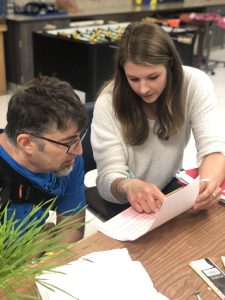
After sustaining a stroke in January 2020, Pavel participated in Craig’s inpatient therapy program for three months. During this time, he spent several hours each week in horticultural therapy: “I did everything and anything, including weeding, planting and watering. I really enjoyed my time in the garden.”
So when Erin presented the opportunity to volunteer at the Denver Botanic Gardens as part of the summer internship, Pavel and his wife, Cindy, jumped at the chance.
“Pavel loved every minute at the Gardens,” Cindy explains. “Not only did he enjoy watching all of the visitors come through, but he had a responsibility to take care of the plants and a set schedule to follow. At the same time, he was continuously working on his mobility and speech. He gained a great deal of confidence and had a specific purpose. It was a wonderful experience.”
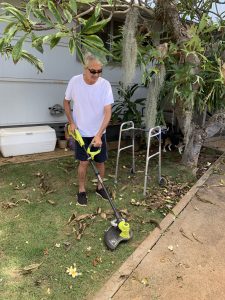
Paul Lindo at home in Hawaii
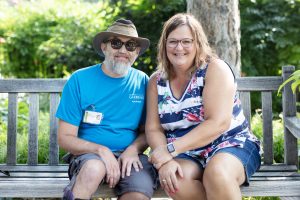
Pavel Zhivotovsky volunteering at the Denver Botanic Gardens
Keep reading
September 22, 2026
A Legacy of Giving: Steve Baker’s Positive Impact on Craig Hospital
September 8, 2026
A Long Ride Back: Grit, Gratitude and Craig Hospital
August 28, 2026
Miles and Milestones: Ben Edwards Navigates His College Journey