February 4, 2020
What Is Recreational Therapy?
Recreational therapy is an activity-based therapy that takes the interests that patients have — the activities that give their lives fullness and meaning — and utilizes them to achieve rehabilitation goals and create a foundation for a full and satisfying life after leaving Craig. From family ski trips to planting a thriving vegetable garden, these events, activities and leisure pursuits often define who we are and connect us to our family and social network. After a catastrophic injury, recreational therapy, in addition to the more traditional therapies like physical and speech, can have a profound impact on a patient’s success.

When Is Recreational Therapy Used?
When a patient and their family arrive at Craig Hospital, they have just gone through a whirlwind experience. They are dealing with unknown terms and diagnoses, scary predictions and an overwhelming sense of loss. From the moment they arrive, Craig works hard to change the trajectory of this journey to one of stability and understanding. Strange new terms are defined, scary predictions become positive plans, and that sense of loss transforms into a strategy for a full and rewarding life.
This is where recreational therapy comes in. Officially, recreational therapy is defined as a systematic process that utilizes recreation and other activity-based interventions to address the assessed needs of individuals with illnesses and/or disabling conditions as a means to psychological and physical health, recovery and well-being.
What that means in practice for our patients and their families is that the Recreational Therapy team is here to challenge the scary predictions of loss and what a person is told they “won’t be able to do” and design a plan to get back to the activities that they love. We identify their interests, like fishing, videogaming or painting (to name a few), and use them to help give the rehabilitation process meaning and create a foundation for their life after Craig.
Recreational therapy is an integral part of the total rehabilitation process for spinal cord and brain injuries.
Getting on track to return to your interests is powerful and often emotional for patients. Tom Carr, Director of Recreational Therapy at Craig, remembers overhearing a patient and his wife leaving the gym with tears of joy in their eyes after working with a recreational therapist. As avid outdoor people, they had just started working on a plan to be able to ski again as a family, an activity that was part of their lifestyle before arriving at Craig. The wife turned to her husband and said, “See, it’s all going to be okay.”
How Does Recreational Therapy Affect Life After Leaving Rehabilitation?
Studies conducted by SCI Model Systems research centers have shown that recreational therapy during inpatient rehabilitation is strongly associated with patients living healthier, more integrated and more active lives after returning home from rehabilitation.1
Through sports, recreation and leisure activities, Craig’s Recreational Therapy Department helps patients reach their treatment goals and sets them up for long-term health and quality of life. For some patients, this means re-engaging with their pre-injury activity, like those who want to get back to skiing or painting. It could also mean helping patients explore healthy activities and develop new interests that bring them happiness. For example, patients who weren’t cyclists before Craig have fallen in love with hand cycling and thrived with that sport post-injury.
One of the final steps that recreational therapists take in a person’s rehabilitation before their discharge home is connecting patients to programs and resources in their communities that can help them stay active and engaged. Returning home to a less adaptive-friendly environment can be intimidating, so Craig aims to set its patients up with the right resources and support them in continuing to lead the life they want to live.
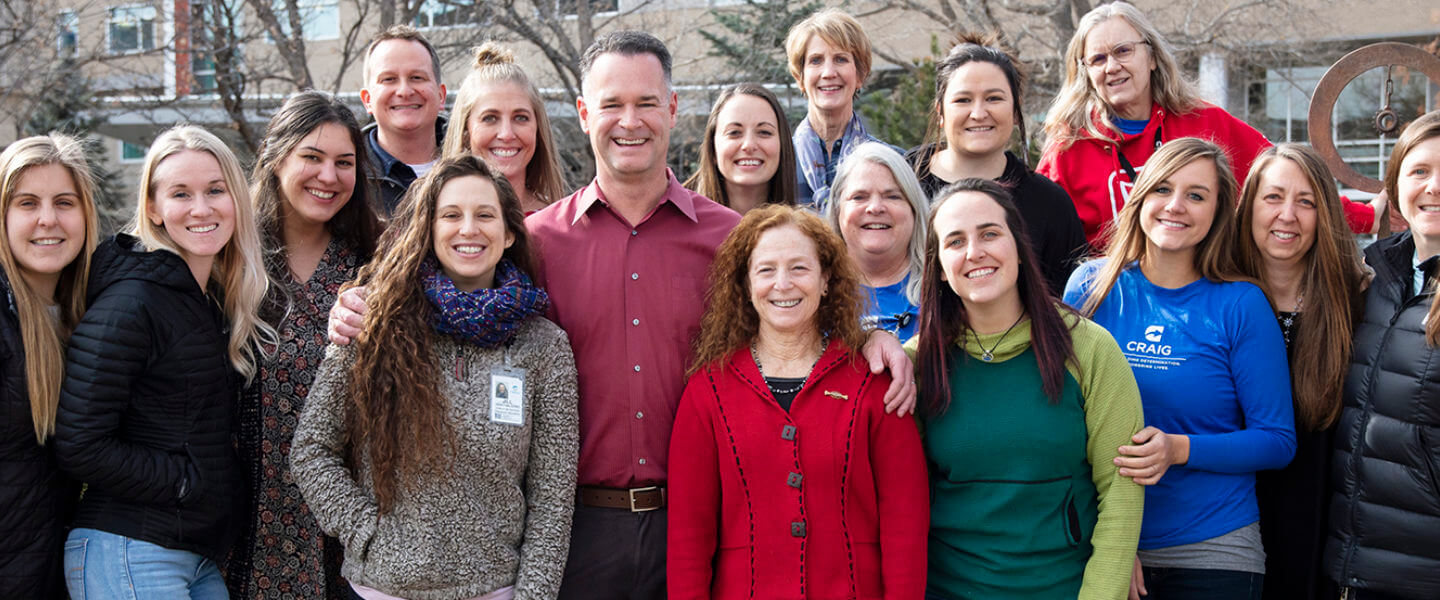
Craig Hospital recognizes the great value of recreational therapy and has made it a priority for all patients to have access to such therapies, even though many of them are not covered by insurance. Thanks to donor funding through the Craig Foundation, Craig is one of the few rehabilitation centers to offer recreational therapy at the level that Craig does. With 18 therapists on staff, we have one of the largest teams in the country. Get to know our Recreational Therapy team.
- Cahow, C., Gassaway, J., Rider, C., Joyce, J. P., Bogenshutz, A., Edens, K., Kreider, S. E. D., & Whiteneck, G. (2012). Relationship of therapeutic recreation inpatient rehabilitation interventions and patient characteristics to outcomes following spinal cord injury: The SCIRehab project. The Journal of Spinal Cord Medicine, 35(6), 547–564. https://doi.org/10.1179/2045772312Y.0000000066
↩ Back
Keep reading
October 7, 2026
A Second Chance at Life
September 22, 2026
A Legacy of Giving: Steve Baker’s Positive Impact on Craig Hospital
September 8, 2026
A Long Ride Back: Grit, Gratitude and Craig Hospital